
One-on-One College Golf Recruiting Coaching
Most junior golfers who want to play college golf don't get recruited. They get overlooked.
Not because they aren't good enough. Because they didn't know how the process works, didn't start soon enough, or didn't have anyone in their corner who understood both the golf world and the college golf recruiting world at the same time.
That's the gap that Athlos College Coaching was built to close.
What one-on-one recruiting coaching actually means

The phrase "recruiting coaching" is being used more and more frequently, but what it actually means varies widely.
At Athlos, one-on-one college golf recruiting coaching means exactly what it sounds like. You work directly with a coach on your specific situation, from start to finish. No impersonal group program, automated system, or hand-off after the first call.
Athlos works with a limited number of athletes at any given time. That's a structural requirement of doing this kind of work well.
Why the one-on-one approach works for college golf recruiting

If you're not one of the top 100 junior golfers in the country, college coaches aren’t going to find you on their own. Learning how to get recruited for college golf starts with understanding that reality, then building a real plan around it.
That plan covers a lot of ground. School list building, recruiting materials, coach outreach, tournament strategy, follow-up systems, and the commitment decision itself. Each piece connects to the next. Miss one, and the whole process gets harder.
This is what college golf recruitment training looks like when it's done right: structured, personalized, and continuous from the first assessment through the day you commit.
What to expect working with Athlos

Athlos runs on a biweekly session model. Every two weeks, you meet with your coach on Zoom. Between sessions, communication continues by email and text.
Sessions are built around where you are in the process and what comes next. Early on, the focus is on assessment and school targeting. Later, it shifts to coach outreach, visit prep, and offer evaluation.
This is not a service that hands you a packet and wishes you luck. It's a college recruiting coach who knows your profile and specific recruitment needs, the college golf landscape, and what your next move should be.
Who Athlos’ one-on-one college golf recruiting services are for
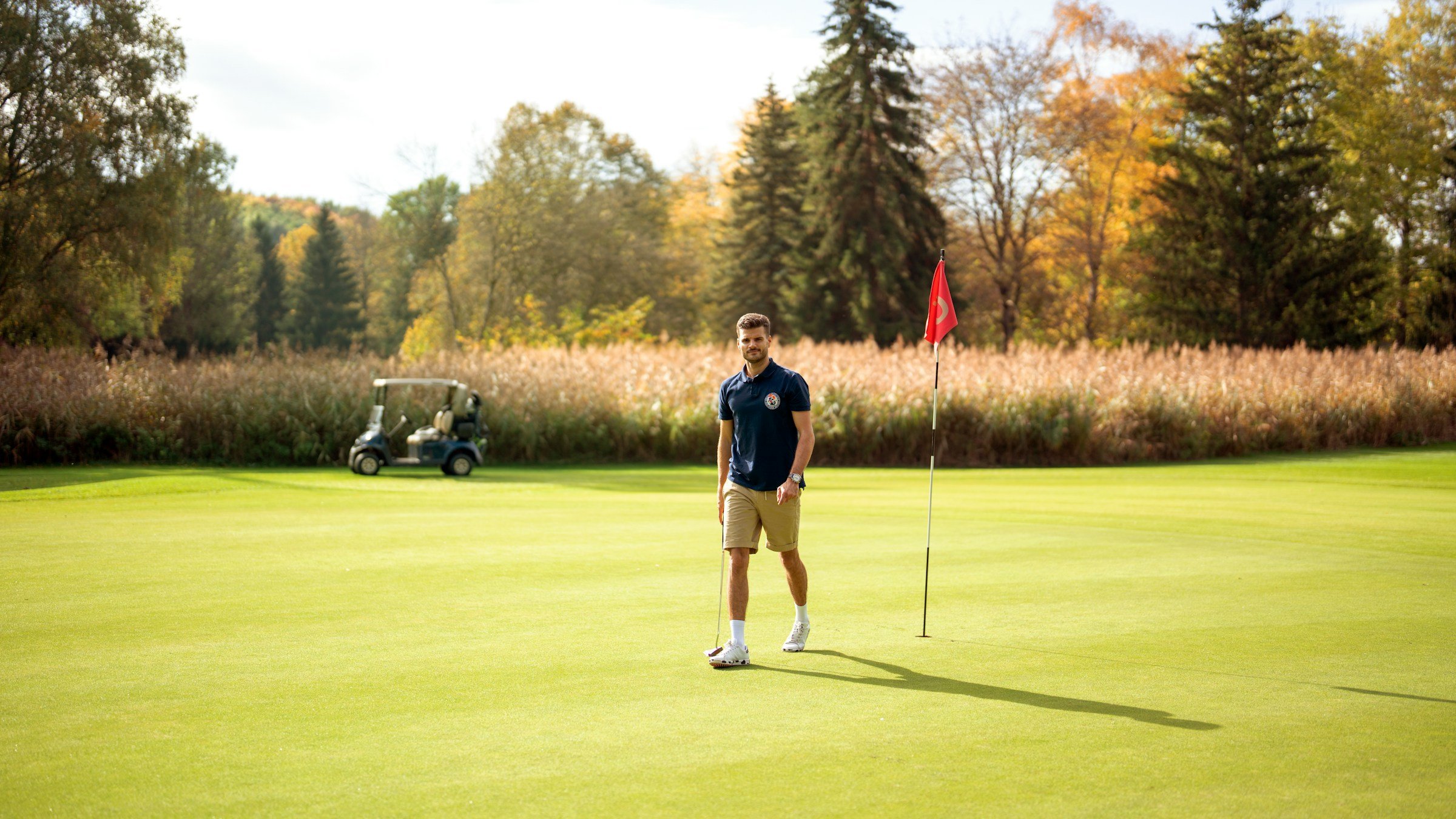
Athlos works with high schoolers who are serious about playing college golf. You don't have to be a scratch golfer. Programs exist at every division level, and a lot of great college golf happens outside Division I.
What you do need is the drive to engage fully with the process. The families who get the most out of working with Athlos are the ones who want to understand what they're doing and why, not just follow a checklist.
If that resonates, then the Athlos process is for you.
